
It’s true. Your mood really can affect your skin. The emotion-skin connection is real. Research shows that emotional stress influences hormones, inflammation, and immune responses, all of which can visibly impact your complexion and skin health.
Download a FREE beauty guide
Discover our collection of free beauty guides.

The Emotion-Skin Connection
Your skin and mind are closely linked through the brain-skin axis, a communication network that connects the nervous, endocrine, and immune systems.
Negative Emotions & The Skin
When you’re under stress, the brain releases cortisol and other stress hormones that can increase oil production, delay healing, and trigger inflammation. Each of which are contributors to inflammatory conditions such as acne, eczema, psoriasis, and even premature ageing.
Positive Emotions & The Skin
In contrast, positive emotions release endorphins and oxytocin, which promote healthy blood flow and support repair processes. Therefore, giving skin a smoother, more radiant appearance. It’s why your complexion can look dull or congested when you’re anxious, yet glow when you feel calm and happy.
Supporting Your Skin (and Mood!)
- Establish a calming routine. Regular self-care (time for a SkinBase Facial?) helps restore skin balance and reduce inflammation.
- Prioritise sleep. Quality rest and rejuvenation regulates cortisol and promotes overnight cell renewal.
- Feed your body and mind. Antioxidant-rich foods, omega-3s, and hydration benefit both mood and skin.
- Practise mindfulness. Meditation, breathing exercises, or even gentle walks can lower stress hormones and support a healthier complexion.
Find a Therapist
Believe in better skin. Find your nearest SkinBase™ therapist here.
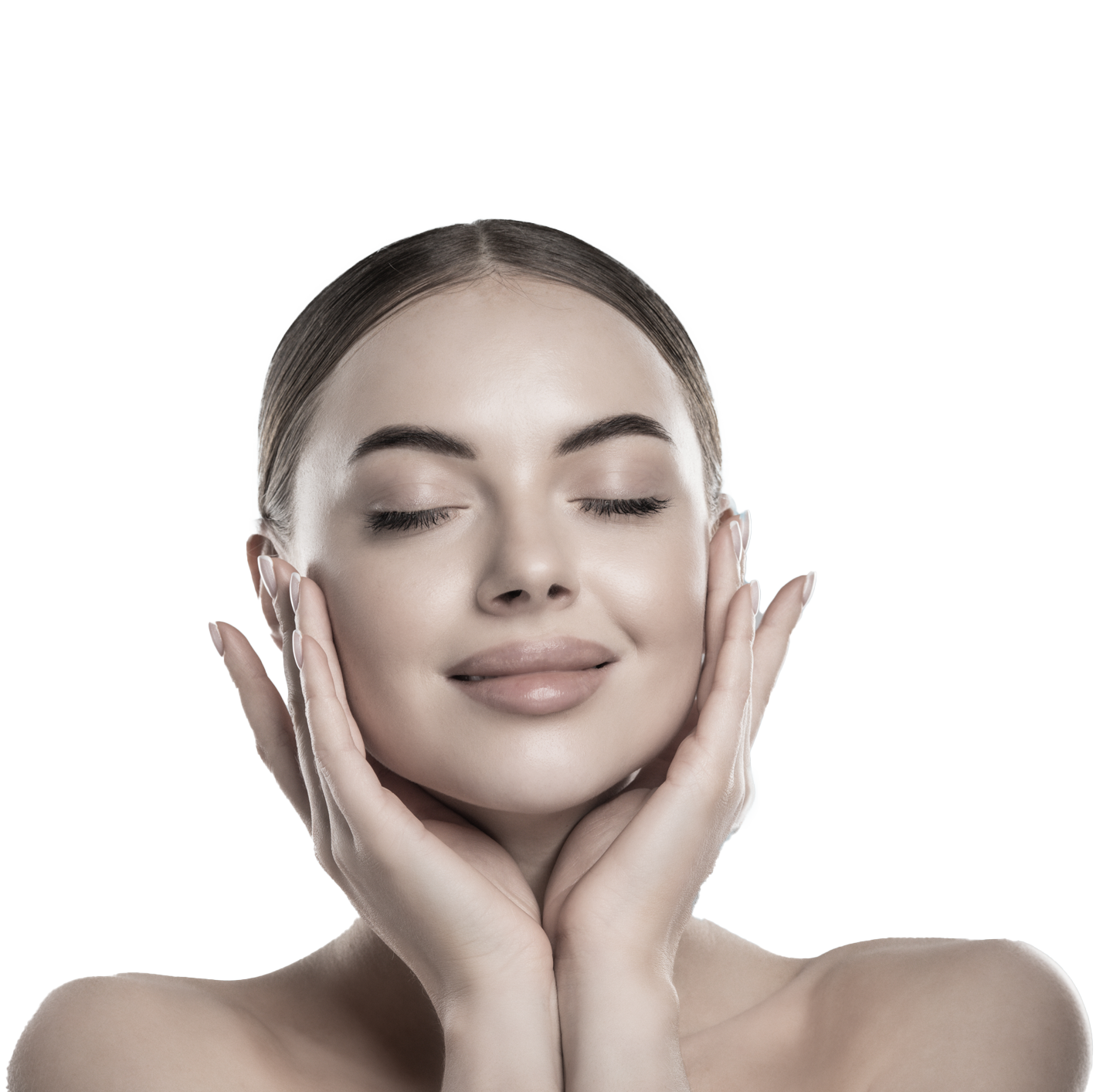
Can Your Mood Change Your Skin?
So, your skin is a reflection of your emotional wellbeing. By managing stress, prioritising rest, and caring for your mental health, you’re also giving your skin the best chance to look calm, clear, and radiant.