
Your skin type affects which skincare products and treatments will work best for you. The main skin types are normal, oily, dry, combination and sensitive. By understanding how your skin behaves, you can build a routine that supports clearer, healthier-looking skin.
Download a FREE beauty guide
Discover our collection of free beauty guides.

Quick Answer: How Do I Know My Skin Type?
You can usually identify your skin type by how your skin looks and feels throughout the day. If your skin feels balanced, and comfortable and you rarely have blemishes, you may have normal skin. If it looks shiny and feels greasy, especially around the T-zone, you may have oily skin. If it feels tight, rough or flaky, you may have dry skin. If some areas are oily and others are dry or balanced, you may have combination skin. If your skin often stings, flushes, reacts or feels easily irritated, you may have sensitive skin.
Why Is Knowing Your Skin Type Important?
Knowing your skin type helps you make better decisions about your skincare routine and professional treatments. Using products that are not suited to your skin can make concerns worse. For example, rich creams may feel too heavy on oily skin, while harsh exfoliants may irritate dry or sensitive skin. Once you understand your skin type, you can choose ingredients, products and facial treatments that support your skin rather than overwhelm it.
Normal Skin Type
A skin type classified as ‘normal’ simply refers to skin that is well balanced, with an even level of oil and hydration. People with normal skin usually have small pores, a smooth texture and few regular breakouts.
Signs You May Have Normal Skin
Normal skin usually feels comfortable throughout the day. It does not become overly shiny, tight or flaky, and it tends to tolerate most skincare products well.
Best Treatment for Normal Skin
For normal skin, SkinBase Microdermabrasion is a great choice for a fresh, glowing complexion. This professional facial treatment gently removes dead skin cells from the surface of the skin to reveal the newer, brighter-looking skin underneath. The process can help normal skin look fresher and more radiant, making it ideal for a nice boost.
Oily Skin Type
Oily skin produces excess sebum, which can make the skin look shiny or greasy. This skin type is often more prone to enlarged pores, blackheads, congestion and breakouts.
Signs You May Have Oily Skin
You may have oily skin if your face becomes shiny soon after cleansing, your pores appear enlarged, or you regularly experience blemishes. Oily skin is often most noticeable across the forehead, nose and chin.
Best Treatment for Oily Skin
SkinBase Hydro is a great treatment option for oily skin. By gently exfoliating the surface of the skin, with a chemical peel, Hydro helps to remove any surface debris that can contribute to blocked pores, before infusing with a clarifying serum. A course of SkinBase Hydro treatments can help manage oily skin.
Dry Skin Type
Dry skin, on the other hand, lacks oil. This can leave the skin feeling tight, rough or uncomfortable. Dry skin may also look dull, tired or flaky, and fine lines can appear more noticeable.
Signs You May Have Dry Skin
You may have dry skin if your face feels tight after cleansing, your complexion looks dull, or your skin feels rough to the touch. Dry skin can also be prone to redness, sensitivity and visible fine lines.
Best Treatment for Dry Skin
SkinBase Hydro is also a great choice for dry skin. The water-based serums deliver intense hydration into the skin, leaving your complexion looking plumper and more refreshed.
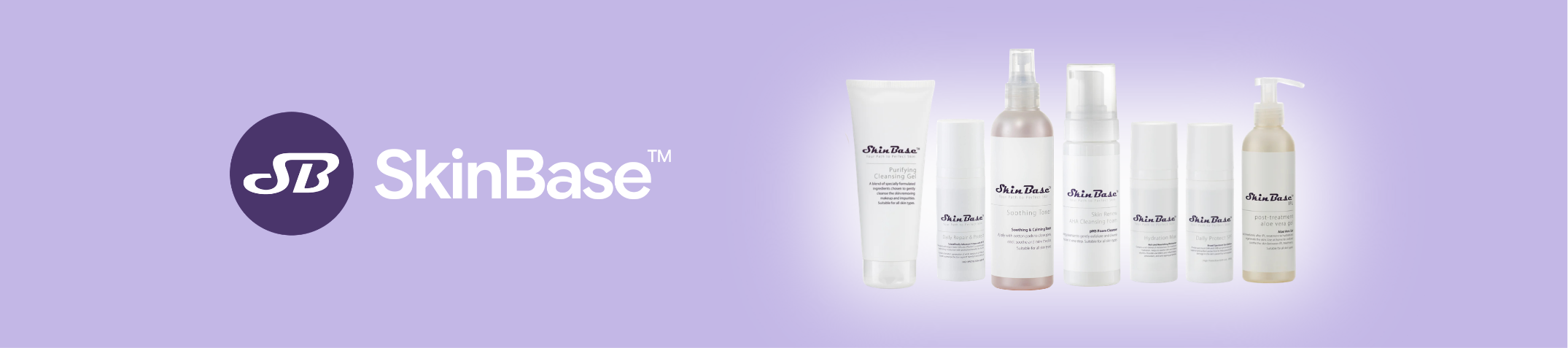
For best results, Hydro for dry skin should be paired with a consistent skincare routine and healthy lifestyle. To support your results at home, try the SkinBase Everyday Skin Routine.
Combination Skin Type
Combination skin means different areas of your skin have different needs, as you have more than one skin type. For example, your T-zone may be oily while your cheeks feel normal or dry.
Signs You May Have Combination Skin
You may have combination skin if your forehead, nose and chin become oily, but other areas feel dry, tight or balanced. You may also notice enlarged pores in some areas and dryness or dullness in others.
Best Treatment for Combination Skin
Combination skin can benefit from a personalised approach. A combination of the SkinBase Microdermabrasion and SkinBase Hydro is an excellent choice, depending on your skin concerns. The microdermabrasion exfoliation helps to unclog pores and renew the skin, before an infusion of a hydro serum of your choice, to tackle dryness and other skin concerns.
Sensitive Skin Type
Sensitive skin is skin that is easily irritated or reactive. It may respond quickly to skincare products, weather changes, heat, stress or certain ingredients. Sensitive skin is not always a skin type on its own; it can also occur alongside dry, oily or combination skin.
Signs You May Have Sensitive Skin
You may have sensitive skin if your skin often feels hot, itchy, tight or uncomfortable. It may sting after applying products, flush easily, or become red and irritated. Some people with sensitive skin also experience dryness, breakouts or a weakened skin barrier.
How To Care For Sensitive Skin
If you have sensitive skin, keep your routine simple and gentle. Avoid using too many active ingredients at once, and introduce new products slowly. Look for calming, hydrating products and always protect your skin with SPF during the day. Avoid harsh ingredients, over-exfoliation and strong products that leave your skin feeling stripped or uncomfortable.
Best Treatment for Sensitive Skin
Sensitive skin needs a careful, tailored approach. Before having a professional treatment, speak to your SkinBase therapist about your skin history, current products and any reactions you have experienced. Your therapist can assess your skin and recommend the most suitable SkinBase treatment for your needs.
Can Your Skin Type Change?
Your skin type is largely influenced by genetics, but it can also be affected by factors such as ageing, hormonal changes, stress and environmental conditions. These influences may cause your skin to behave differently at certain stages of life. This is why it is important to keep paying attention to your skin.
While your core skin type may stay the same, your skincare routine may need to change over time to support your skin’s changing needs and maintain balance.
How To Choose The Right Skincare Routine For Your Skin Type
The best skincare routine is one that supports your skin’s needs without causing irritation or imbalance. For oily skin, focus on lightweight hydration and regular gentle exfoliation. For dry skin, choose nourishing products that support the skin barrier. For combination skin, use a balanced routine that can be adapted to different areas of the face. For sensitive skin, keep things simple, calming and consistent. For normal skin, maintain your balance with good daily skincare and occasional professional treatments.
Find a SkinBase Therapist
Understanding your skin type is the first step towards healthier-looking skin. Once you know whether your skin is normal, oily, dry, combination or sensitive, you can make smarter choices about your skincare routine and professional treatments. SkinBase treatments can be tailored to suit your individual skin concerns, helping you achieve more radiant-looking skin. To find the best treatment for your skin type, find your nearest SkinBase therapist.
Find a Therapist
Believe in better skin. Find your nearest SkinBase™ therapist here.