
Collagen is a hot topic in skincare because of its role in skin health. Collagen strengthens skin and helps maintain its structure, strength and elasticity. Your body makes its own collagen and this function deteriorates as we age. Collagen begins to break down. Can you rebuild collagen in the skin? Read on to find out the truth behind common collagen myths and facts.
What Is Collagen?
Collagen is a protein. It’s the main part of connective tissues and has many important functions. It provides skin with structure and strengthens bones. As we age, collagen production declines. We produce less, and the existing collagen starts to break down more quickly.
Types of Collagen
There are a range of different types of collagen, and 5 of them are key:
- Type 1: This type makes up 90% of your body’s collagen. It is dense and provides structure to skin, bones, tendons and ligaments
- Type 2: This supports joints and is found in elastic cartilage.
- Type 3: Found in muscles, arteries and organs.
- Type 4: Found in the layers of your skin.
- Type 5: This type is in the eye’s cornea and some layers of skin and hair.
Common Collagen Myths
As popular as the collagen discussion is, there are many myths too.
Myth 1: “You can replace lost collagen with topical creams.”
Topical creams will not support your skin’s natural collagen production. While many people turn to skincare products to boost collagen, it is not possible to absorb collagen through skin. It can help moisturise skin, but the collagen won’t improve the skin’s elasticity.
Myth 2: “Collagen supplements rebuild skin collagen overnight.”
Collagen supplements and drinks have gained popularity but their effectiveness is unclear. Any improvement in collagen production takes time and dedication.

Myth 3: “Only ageing causes collagen loss.”
This is completely untrue. Sun damage, smoking, drinking alcohol and even a poor diet can all contribute to collagen loss. Collagen-rich foods like bone broth, meat and fish can help protect existing collagen. Focus on sun protection and healthy living.
Myth 4: “More collagen = better skin.”
There is limited evidence that collagen supplements are effective at improving skin. It is best to take a holistic approach to your overall wellbeing so collagen depletes more slowly. Having professional treatments that stimulate the body’s natural production of collagen is more effective. Protect your skin from the elements and stay hydrated.
The Facts – Can You Rebuild Collagen?
You can help your body make more collagen with sensible lifestyle choices. Collagen-boosting foods that are rich in protein, plus food high in Vitamin C can help. The body can stimulate new collagen production with the right information. You can look for collagen-boosting ingredients in skincare like hyaluronic acid, Vitamin C and peptides. Professional treatments like SkinBase’s Collagen Lift and Collagen Lift Ultimate can help the body stimulate its own natural production of collagen. These are non-invasive but effective, with long-lasting results.
SkinBase Collagen Lift
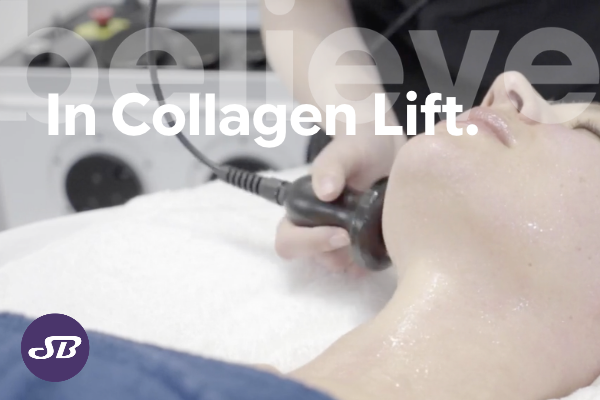
This hardworking treatment tightens, firms and sculpts skin using radio-frequency energy. It is the perfect treatment if you want to improve collagen levels and turn back the clock. By realigning the skin’s tissues and elastin fibres, collagen production gets a boost from within. A ceramic wand moves continuously over the area in circles, warming the skin. Your therapist increases the heat gradually, warming the deeper layers of skin to stimulate several natural responses. If your skin needs tightening and toning, this is the treatment for you.
Find a Therapist
Believe in better skin. Find your nearest SkinBase™ therapist here.

The surge in collagen’s popularity is here to stay. The important thing to remember is there is no overnight fix. Stimulating collagen production takes time, consistency and commitment. By busting these collagen myths and facts, you can make better skincare decisions.