
Oily skin is caused by excess sebum production, which can leave the skin looking shiny, feeling greasy and more prone to clogged pores or breakouts. The good news? With the right skincare routine, ingredients and professional treatments, oily skin can be managed without stripping the skin.
Download a FREE beauty guide
Discover our collection of free beauty guides.

What Is Oily Skin?
Oily skin is a common skin type caused by excess sebum production. Sebum is the natural oil produced by the sebaceous glands to keep the skin protected, moisturised and healthy. Having oily skin is not necessarily a bad thing. Natural oils help support the skin barrier and can keep the complexion looking youthful for longer. However, when the skin produces too much oil, it can lead to shine, clogged pores, and breakouts.
What Does Oily Skin Look Like?
Oily skin is usually easy to identify by its texture and appearance. It may feel slick or greasy to the touch and often looks shiny, especially across the forehead, nose and chin.
Common oily skin symptoms include:
- Shiny or greasy-looking skin
- Enlarged or clogged pores
- Blackheads and whiteheads
- Frequent breakouts
- Makeup separating, sliding or wearing off quickly
- A thicker skin texture
- Skin that becomes oily again soon after cleansing
What Causes Oily Skin?
Oily skin is usually caused by overactive sebaceous glands producing too much sebum. This can happen for several reasons, including genetics and lifestyle.
1. Genetics
Oily skin often runs in families. If one or both of your parents have oily skin, you may be more likely to have overactive sebaceous glands too.
2. Age
Sebum production is usually higher during the teenage years, 20s and 30s. As skin matures, it often becomes drier because the sebaceous glands slow down and the skin naturally loses proteins such as collagen and elastin.
3. Hormones
Hormonal changes can increase oil production. This is why oily skin may become more noticeable during puberty, the menstrual cycle, pregnancy, perimenopause or menopause.
4. Climate and Environment
Hot, humid weather can make oily skin worse. People living in warmer climates may notice more shine and excess sebum throughout the day.
5. Skincare Habits
Using the wrong skincare products can trigger more oil. Over-cleansing, harsh scrubs, skipping moisturiser or using products that clog pores can all disrupt the skin barrier and encourage excess sebum production.
6. Lack of Sleep
Poor sleep can raise cortisol levels. Higher cortisol levels may contribute to increased sebum production, which can make oily skin and breakouts worse.
7. Diet
Certain dietary habits may affect oil production. Highly processed foods can trigger hormones, contributing to increased sebum.
Is Oily Skin Bad?
No, oily skin is not bad. In fact, sebum plays an important role in keeping the skin barrier healthy and protected. People with oily skin may also notice fewer visible fine lines as they age. However, oily skin can become a concern when excess oil clogs the pores. This can lead to blackheads, whiteheads, acne breakouts and uneven texture.
Oily Skin and Acne
Oily skin is often more prone to acne because excess sebum can mix with dead skin cells and block the pores. When this happens, blackheads and whiteheads can form. If bacteria become trapped inside clogged follicles, the skin may develop more inflamed acne symptoms such as:
- Papules
- Pustules
- Nodules
- Cysts
For oily, acne-prone skin, the goal is to reduce excess oil, unclog pores and support the skin barrier without drying the skin out.
Oily Skin and Sebaceous Hyperplasia
Sebaceous hyperplasia is a harmless skin condition linked to enlarged sebaceous glands. It can cause small, oil-filled bumps to appear on the skin, most commonly on the face. Although sebaceous hyperplasia is not dangerous, it can affect confidence and self-esteem. Professional skin treatments may help improve the appearance of the skin and support a smoother-looking complexion.
How To Treat Oily Skin
The best way to treat oily skin is to balance oil production without stripping the skin. Oily skin still needs hydration, nourishment and protection. A good oily skin routine should include:
- A gentle cleanser
- A balancing toner
- A lightweight moisturiser
- Regular exfoliation
- Daily SPF
Best Ingredients For Oily Skin
The best ingredients for oily skin help regulate sebum, clear pores, calm inflammation and support the skin barrier. Look for ingredients such as:
- Niacinamide
- Salicylic Acid
- Glycolic Acid
- Aloe Vera
- Vitamin B5
- Clay
Professional Treatment For Oily Skin: SkinBase Hydro
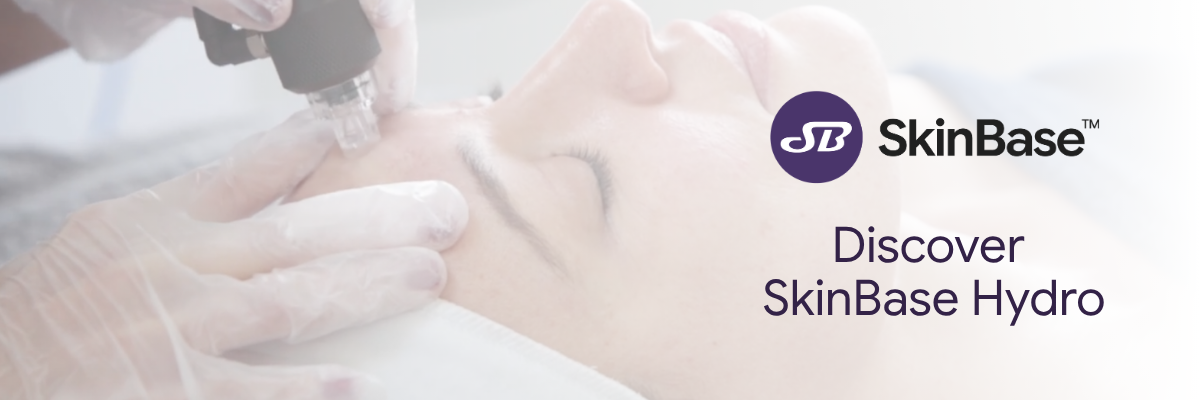
SkinBase Hydro is a non-invasive facial treatment designed to deeply cleanse, exfoliate and hydrate the skin. It uses a natural blend of AHAs and BHAs to remove dead skin cells and debris, helping to unclog pores and prepare the skin for targeted active ingredients. Once the skin is prepped, a personalised serum is infused into the skin. For oily and breakout-prone skin, the SkinBase Clarifying Serum is an ideal choice.
SkinBase Clarifying Serum For Oily Skin
The SkinBase Clarifying Serum contains calming and balancing ingredients that help reduce excess oil, calm breakouts and improve the appearance of oily skin. Key ingredients include:
- Niacinamide
- Arnica Montana Flower Extract
- Citric Acid
Top Tip: Stop Touching Your Face
Touching your face throughout the day can transfer bacteria, oil and dirt onto the skin. This can increase the risk of clogged pores and breakouts. Try to avoid touching your face where possible. If you know you touch your face often, keep your hands clean to reduce the risk of spreading bacteria.
The Best Way To Manage Oily Skin
Oily skin is completely normal, and it is not something you need to fight against. The key is balance. By using gentle, non-comedogenic skincare, avoiding over-cleansing, moisturising every day and choosing ingredients that regulate excess sebum, you can keep oily skin looking clearer, calmer and healthier.
Find a Therapist
For a professional approach, find your nearest SkinBase Therapist for an in-depth consultation.
Find a Therapist
Believe in better skin. Find your nearest SkinBase™ therapist here.