
Skin pigmentation refers to the natural colour of the skin, which is determined by the amount and type of melanin produced by specialised skin cells. When melanin is produced unevenly or in excess, it can lead to hyperpigmentation, causing darker patches or discoloured areas on the skin.
Download a FREE beauty guide
Discover our collection of free beauty guides.

What Is Skin Pigmentation
Skin pigmentation is the result of melanin production within the skin. Melanin is a natural pigment that gives the skin, hair, and eyes their colour and helps protect the skin from damage caused by ultraviolet (UV) radiation. The specialised cells that produce melanin are called melanocytes, and are found in the outer layer of the skin. These cells release melanin into surrounding skin cells, helping to determine your overall skin tone.
Types of Melanin
There are two main types of melanin responsible for skin pigmentation.
- Eumelanin: produces brown and black pigments
- Pheomelanin: contributes to red and yellow pigments.
The balance between these pigments varies from person to person. This is why skin tones differ naturally between individuals.


What Causes Hyperpigmentation?
Hyperpigmentation occurs when the skin produces excess melanin in specific areas. This excess can happen for a variety of reasons, including: environmental factors, hormonal changes, inflammation, medications, and genetics.
Understanding the cause of pigmentation is important when choosing the most effective treatment or prevention methods. Below are some of the most common causes of hyperpigmentation.
Sun Exposure
One of the most common causes of hyperpigmentation is sun exposure. When the skin is exposed to ultraviolet (UV) rays, it produces more melanin as a natural defence mechanism. This process helps protect the skin from damage, and the increased melanin production is what causes the skin to tan.
Sunspots & Age Spots
However, sun exposure does not always trigger melanin production evenly. When melanin forms unevenly, it can create dark spots or blotchy patches on the skin. Over time, repeated sun exposure can lead to pigmentation concerns such as sunspots, age spots, or liver spots. These marks commonly appear on areas that receive the most sun exposure, including the face and hands.
Medical Conditions & Discoloured Skin
In some cases, changes in skin pigmentation may be linked to underlying medical conditions. One example is Addison’s disease, a rare condition that affects the adrenal glands.
Addison’s Disease
Addison’s disease affects hormone production in the body, and can cause patches of increased pigmentation to develop on the skin. These darker areas often appear on parts of the body exposed to friction or sunlight. Common areas include the face, neck, elbows, and knees.
Medications
Some medications may cause hyperpigmentation as a side effect. Certain drugs can stimulate melanin production or affect how pigment is distributed in the skin. Examples include nonsteroidal anti-inflammatory drugs (NSAIDs), some antibiotics, and certain chemotherapy medications.
Skin Pigmentation & Medication
Research suggests that 10–20% of hyperpigmentation cases may be related to medication use. Although this can affect anyone, medication-related hyperpigmentation is reported more frequently in women.
Hormonal Changes
Hormonal changes within the body can also trigger hyperpigmentation. This type of pigmentation is particularly common during pregnancy, when hormone levels increase significantly. Hormonal pigmentation can also occur due to contraceptive use or hormone therapy, as changes in hormone levels can stimulate melanin production.
Melasma: The Mask of Pregnancy
During pregnancy, darker patches may appear on the face. This condition is known as melasma. Melasma is often referred to as the “mask of pregnancy” because it commonly appears across the cheeks, forehead, nose, or upper lip.

Genetics
Genetics also play a significant role in determining skin pigmentation and melanin production. Over 125 genes have been identified that influence skin pigmentation. These genes help regulate how melanocytes function and how much melanin is produced in the skin.
Genetic Predisposition
Some people may have a genetic predisposition to pigmentation concerns, such as freckles or uneven skin tone. The number of melanocytes present in the skin is also genetically predetermined, which can influence how pigmentation develops over time.
Inflammation and Skin Trauma
Inflammation in the skin can also lead to hyperpigmentation. Skin conditions such as acne, eczema, or psoriasis may trigger an inflammatory response in the skin. When inflammation occurs, the skin can produce extra melanin in the affected area. This may result in darker patches that remain even after the original condition has healed.
Post-Inflammatory Hyperpigmentation
Skin injuries such as cuts, burns, or other trauma may also cause pigmentation changes during the healing process. This type of pigmentation is known as post-inflammatory hyperpigmentation (PIH) and is a common cause of uneven skin tone.


Treating Hyperpigmentation
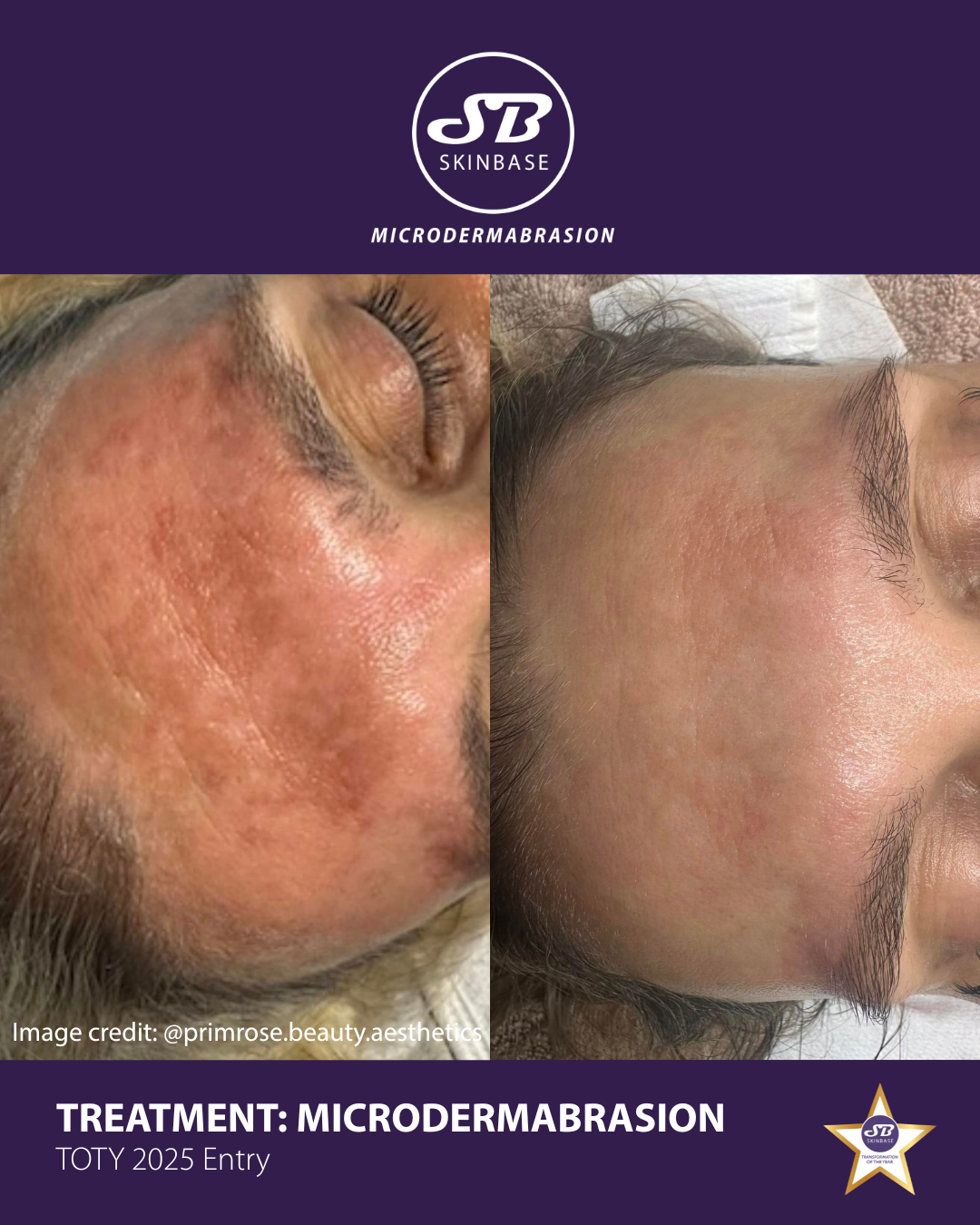
While hyperpigmentation is common, many people look for ways to reduce the appearance of dark spots and uneven skin tone. Professional skin treatments can help improve pigmentation by encouraging skin cell renewal and removing the build-up of pigmented skin cells on the surface.
SkinBase Treatment Options
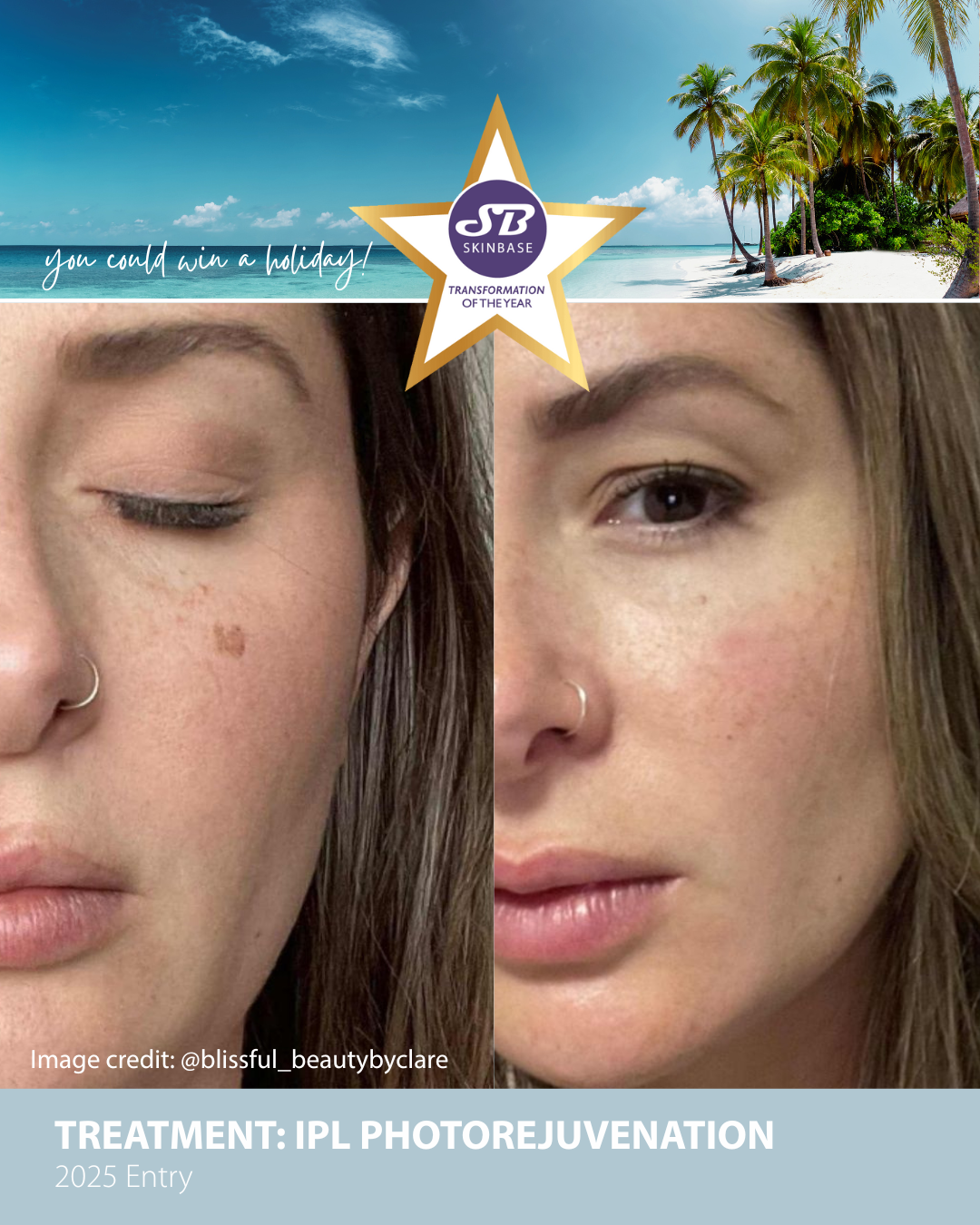
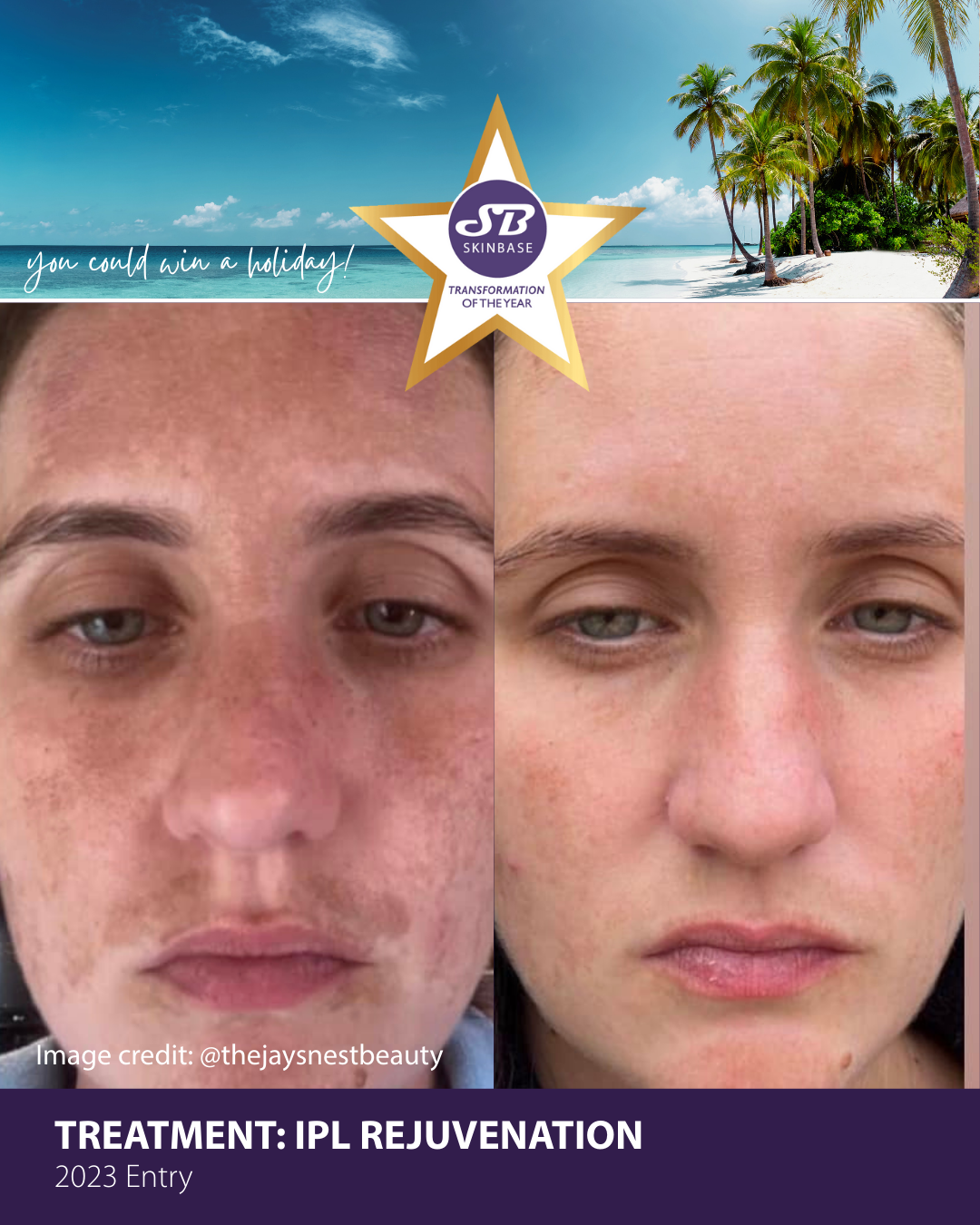
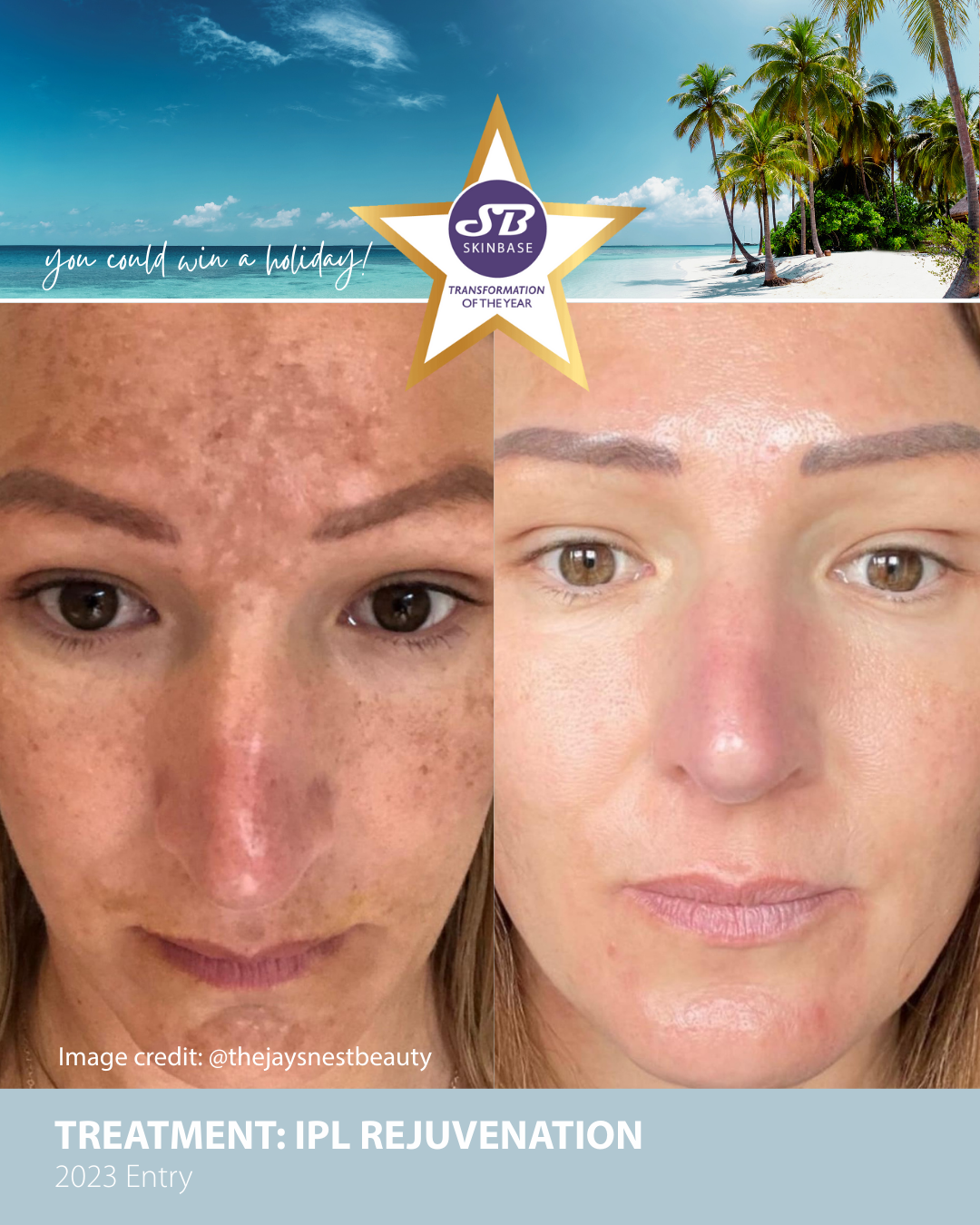
One treatment often used for pigmentation concerns is microdermabrasion, which gently exfoliates the outer layer of the skin to reveal fresher, more even-looking skin underneath. SkinBase Hydro takes an alternate approach, infusing the skin with hard-working actives to tackle pigmentation. SkinBase Intense Pulsed Light, on the other hand, uses light therapy to rejuvenate the skin.
Learn more about your treatment options for pigmented skin in our skin conditions hub here.
Skin Pigmentation: Key Takeaways
Skin pigmentation is a natural part of how our skin protects and renews itself. However, factors such as sun exposure, hormones, inflammation, and genetics can sometimes cause melanin to develop unevenly, leading to hyperpigmentation. By understanding what influences pigmentation, you can take steps to protect your skin and explore treatments that help promote a clearer, more even-looking complexion.
Find a Therapist
Believe in better skin. Find your nearest SkinBase™ therapist here.