
When the weather turns colder, moisturiser often becomes a bigger priority. But your winter skincare routine can offer hydration and sun protection together. A combined SPF moisturiser makes it easy to care for your skin in one step.
Why You Shouldn’t Put Away The SPF In Winter
A combined SPF moisturiser is a simple way to keep skin hydrated and protected in winter. Although UV levels are usually lower in the UK during the colder months, a broad-spectrum SPF 30 moisturiser provides daily hydration alongside UVA and UVB protection. Keeping SPF in your winter routine also builds a consistent habit, so sun protection is already part of your morning when summer returns.
Why Use an SPF Moisturiser in Winter?
Lower winter UV levels can make a combined SPF moisturiser a practical choice for your everyday routine. You get the moisturising benefits your skin needs, with sun protection built into the same step.
Choose a broad-spectrum formula to protect against both UVA and UVB rays. The amount you apply is important. Use your SPF moisturiser generously and follow the product’s directions to achieve the protection stated on the label.
Hydration and Protection in One Step
Cold weather can leave skin feeling dry, tight and uncomfortable. A moisturiser helps replenish moisture and support your skin’s natural barrier, keeping your complexion feeling soft and cared for.
Adding SPF to that moisturising step makes protection easy to maintain. One product can meet both needs without adding another step to your morning.
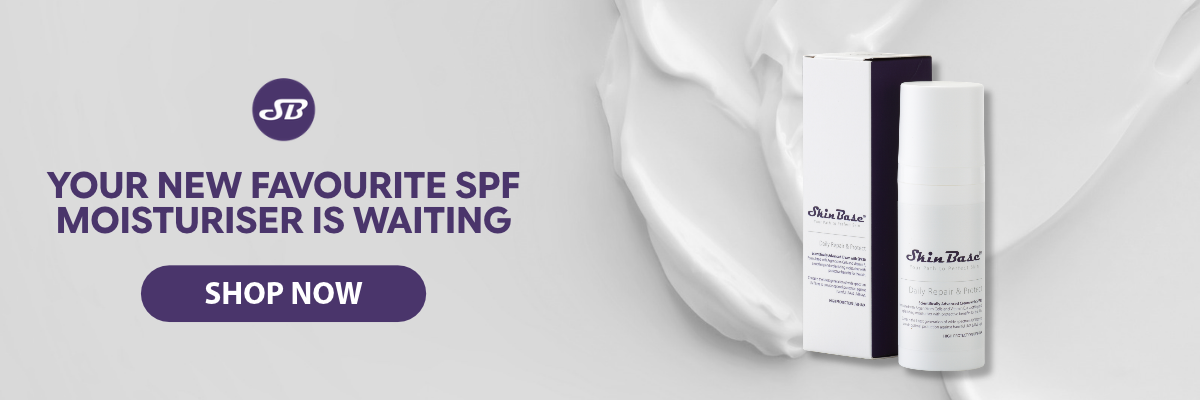
SkinBase Daily Repair & Protect
SkinBase Daily Repair & Protect combines hydration with broad-spectrum SPF 30 protection. Its lightweight, non-greasy formula absorbs quickly, making it an easy addition to your winter skincare routine.
Can UV Rays Reach Your Skin in Winter?
Yes. UV exposure does not disappear when temperatures drop, and clouds do not block all UV radiation. Although UK winter UV levels are usually low, your location, exposure and individual skin concerns still matter.
UVA rays contribute to premature skin ageing and uneven pigmentation. Keeping broad-spectrum protection in your routine can help reduce UV exposure, particularly if pigmentation is a concern.
Can UVA Rays Pass Through Glass?
Some UVA rays can pass through ordinary window glass. If you regularly sit in direct sunlight beside a window or spend long periods driving, an SPF moisturiser can form part of your protection.
Why Do Winter Sports Need Extra Sun Protection?
Planning a skiing holiday? Sun protection deserves a place in your suitcase. UV exposure increases at higher altitudes, and snow reflects UV rays back towards your skin. Cold temperatures can make it easy to underestimate the risk of sunburn.
For skiing and other winter sports, choose a water-resistant, broad-spectrum sunscreen with SPF 30 or higher. Apply generously to exposed skin, including your face, ears and neck. Protect your lips with an SPF lip balm and wear UV-protective goggles or sunglasses.
How Often Should You Reapply SPF in Winter?
During outdoor sun exposure, reapply sunscreen every two hours and sooner after sweating, swimming, towel drying or if the product has rubbed off.
This applies to moisturisers containing SPF as well as separate sunscreens. Applying once in the morning does not provide unlimited protection throughout the day.
Keep SPF a Habit Through Every Season
A combined SPF moisturiser brings hydration and UV protection together, helping skin feel soft, comfortable and cared for through the colder months.
Keeping SPF in your winter routine also makes it a familiar daily habit. When summer comes back around and UV levels rise, sun protection is already part of your morning. Simply adjust your protection and reapplication to suit your exposure.
Make daily hydration and protection easy with SkinBase Daily Repair & Protect SPF 30.